
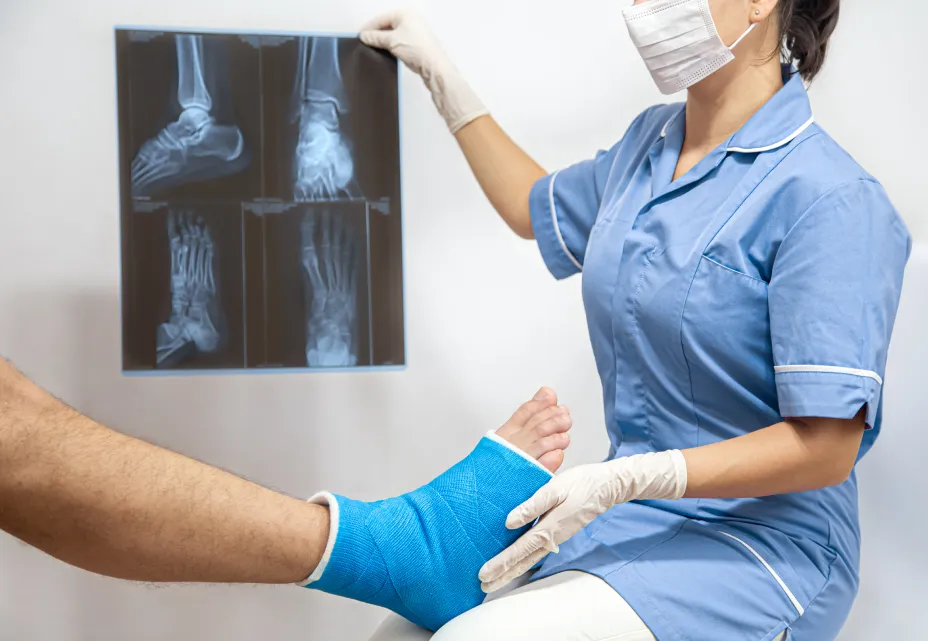
A small bone crack often raises the question: what is a hairline fracture, especially when pain starts without a major injury. It develops when repeated pressure or an impact exceeds the bone’s ability to repair. Pain often worsens during walking, running, lifting, or sport and eases with rest. Early assessment matters because continued pressure could enlarge the crack and delay healing.
What Is a Hairline Fracture?
A hairline fracture is a thin, small crack in a bone that often develops from repeated pressure or overuse. Doctors commonly describe it as a stress fracture, although a direct impact also causes a small, nondisplaced break. The affected bone usually remains in its normal position. Hairline fractures frequently occur in the shin, heel, ankle, and metatarsal bones of the foot.
They also affect the hip, pelvis, wrist, ribs, and spine, depending on the type of activity or injury.
What Are the Main Hairline Fracture Symptoms?
Hairline fracture symptoms often build over several days or weeks. Watch for:
- Pain focused on one small area.
- Pain that increases during activity.
- Tenderness over the painful spot.
- Mild swelling around the bone.
- Limping or difficulty bearing weight.
- Pain at rest or during the night.
A sprain affects ligaments around a joint, while a hairline fracture affects bone. Symptoms alone do not confirm either injury.
What Causes a Hairline Fracture?
Repeated physical stress causes most hairline fractures. Running, jumping, dancing, military drills, and prolonged lifting place excessive pressure on bones.
- Sudden increases in exercise intensity overload bones before they adapt, significantly raising the risk of small cracks and stress-related injuries.
- Poorly fitting footwear and hard training surfaces increase impact forces, placing repeated strain on the feet, ankles, and lower legs.
- Limited rest between training sessions prevents bone repair, allowing repeated stress to build and eventually cause a hairline fracture gradually.
- Low calcium, vitamin D, or calorie intake weakens bone structure and reduces the body’s ability to repair daily stress damage.
- Osteoporosis and other conditions that weaken bones increase fracture risk, even during routine walking, light exercise, or minor physical strain.
- Previous stress fractures or foot alignment problems shift pressure unevenly, increasing repeated load on specific bones during daily movement activities.
How Do Doctors Diagnose a Hairline Fracture?
Your doctor reviews the pain location, changes in activity, previous injuries, medicines, diet, and bone health. A physical examination checks tenderness, swelling, movement, and weight-bearing ability.
An X-ray often forms the first imaging test. Early stress fractures sometimes remain invisible because the crack is too small. An MRI detects bone stress and small fractures earlier. A CT scan gives detailed images when the fracture needs closer review.
What Is Hairline Fracture Treatment?
Hairline fracture treatment depends on the affected bone, pain severity, alignment, and risk of further damage. Most stable fractures heal without surgery.
- Stop activities that trigger pain, including running, jumping, lifting, or training, until your doctor confirms the injured bone has healed before safely resuming normal activity.
- Limit weight on the injured limb to reduce pressure, prevent the crack from worsening, and support safe bone healing throughout the early recovery period.
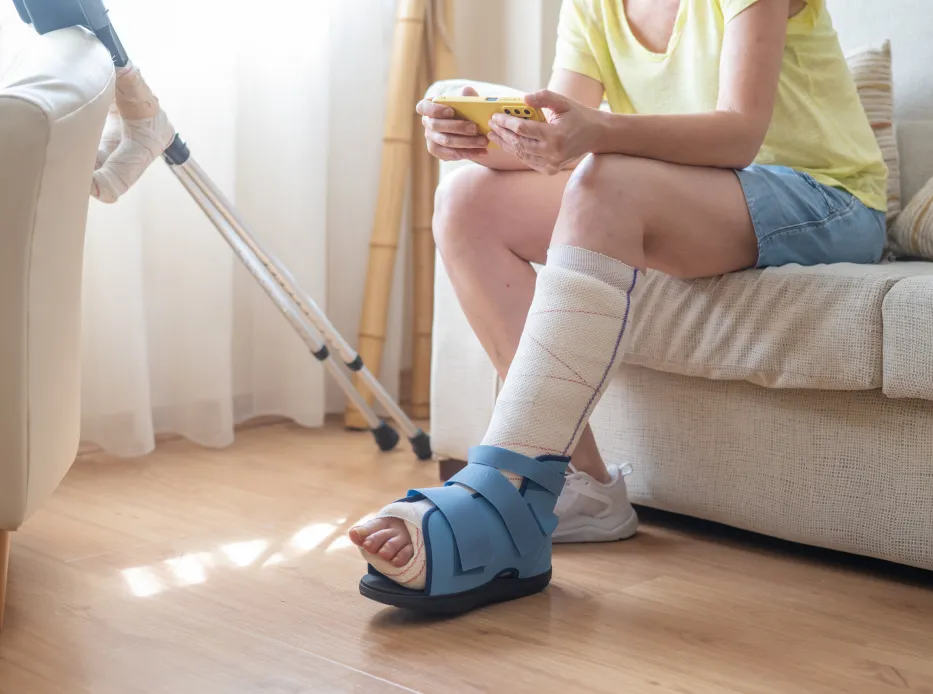
- Use crutches, a walking boot, brace, splint, or cast as advised to protect the injured bone and maintain proper alignment throughout the complete healing period.
- Apply a wrapped cold pack for 15 to 20 minutes several times daily to reduce swelling, ease discomfort, and control inflammation around the injured area.
- Elevate the affected arm or leg above heart level whenever possible to reduce swelling, improve comfort, and support healthy circulation and healing during early recovery.
- Begin physiotherapy after early healing to restore movement, strength, balance, and flexibility while reducing stiffness and lowering the risk of another fracture during later recovery.
- Return to work, exercise, and sport gradually, increasing activity only when movement remains pain-free and your doctor approves each stage without causing symptoms again.
Hip, ankle, and foot fractures sometimes heal slowly. Surgery is reserved for unstable fractures, delayed healing, displaced cracks, or injuries in high-risk locations.
How Long Does a Hairline Fracture Take to Heal?
Hairline fracture healing time often ranges from six to eight weeks. Location, age, bone strength, smoking, nutrition, and continued loading affect recovery. Hip or high-risk foot fractures often need longer protection.
Pain relief does not prove full healing. Follow your doctor’s advice before restarting running, sport, or heavy work. A phased return starts with pain-free daily movement, followed by low-impact exercise and strength work.
Review the hospital’s orthopaedic care and fracture services for related information.
When Should You Seek Medical Care?
Seek medical care if bone pain lasts for several days, worsens during activity, causes limping, or returns when you exercise. Get urgent help after a fall or accident if you notice severe pain, visible deformity, numbness, an open wound, increasing swelling, or an inability to stand, walk, or place weight on the injured limb without further delay or exertion.
How Do You Reduce Future Risk?
You can lower your risk of another hairline fracture by protecting bone health and avoiding sudden increases in physical stress.
- Increase training load slowly.
- Schedule rest and recovery days.
- Replace worn sports shoes.
- Add lower-impact exercise between high-impact sessions.
- Eat enough protein, calcium, vitamin D, and calories.
- Treat osteoporosis and related conditions.
- Stop activity when focused bone pain begins.
Conclusion
Understanding what a hairline fracture is helps you respond early to focused bone pain, swelling, or tenderness. Resting the area protects the crack from worsening, but diagnosis remains important because early X-rays sometimes look normal. Treatment often involves activity changes, support, and gradual rehabilitation.
OP Chaudhary Healthcare provides orthopaedic assessment, imaging, fracture care, and physiotherapy support in Lucknow. Seek medical review before returning to sport, heavy work, or prolonged weight-bearing activity after a suspected fracture. Early care supports safer healing and recovery.
Book an Orthopaedic Consultation Today
If persistent bone pain, swelling, or difficulty walking raises concern about a small fracture, schedule an orthopaedic evaluation at OP Chaudhary Healthcare. The team offers assessment, imaging support, fracture management, and rehabilitation planning.
Call +91-9517164164 or visit Chaudhary Vihar, Raebareli Road, Lucknow, to arrange an appointment.
FAQs
Is a hairline fracture the same as a stress fracture?
The terms often overlap. A stress fracture develops from repeated loading, while a small crack from direct trauma also receives the hairline fracture label.
Is walking safe with a hairline fracture?
Walking depends on the bone and the severity of the pain. Continued weight-bearing on an injured foot, ankle, or leg risks further damage. Follow medical advice.
What happens if you ignore a hairline fracture?
Continued loading could widen the crack, increase pain, prolong recovery, or lead to a complete fracture. High-risk bones also face poor healing.
Does a hairline fracture need a cast?
Some injuries need activity restriction and protected weight-bearing. Others need a boot, brace, splint, or cast based on location, stability, and pain.
What is a hairline fracture recovery plan?
Recovery includes protection from painful activity, medical follow-up, gradual weight-bearing, mobility work, strengthening, and a staged return after clinical approval.