```html ```
आयुष्मान भारत - प्रधानमंत्री जन आरोग्य योजना (पीएम-जय) उत्तर प्रदेश गंभीर बीमारी सहायता योजना/ मुख्यमंत्री विवेकाधीन राहत कोष से इलाज हेतु आर्थिक सहायता आयुष्मान भारत - प्रधानमंत्री जन आरोग्य योजना (पीएम-जय) उत्तर प्रदेश गंभीर बीमारी सहायता योजना/ मुख्यमंत्री विवेकाधीन राहत कोष से इलाज हेतु आर्थिक सहायता आयुष्मान भारत - प्रधानमंत्री जन आरोग्य योजना (पीएम-जय) उत्तर प्रदेश गंभीर बीमारी सहायता योजना/ मुख्यमंत्री विवेकाधीन राहत कोष से इलाज हेतु आर्थिक सहायता आयुष्मान भारत - प्रधानमंत्री जन आरोग्य योजना (पीएम-जय) उत्तर प्रदेश गंभीर बीमारी सहायता योजना/ मुख्यमंत्री विवेकाधीन राहत कोष से इलाज हेतु आर्थिक सहायता

Neurosurgery in Lucknow for Brain, Spine, Stroke & Nerve Care

Home » Surgical Services In Lucknow » Neurosurgery in Lucknow for Brain, Spine, Stroke & Nerve Care
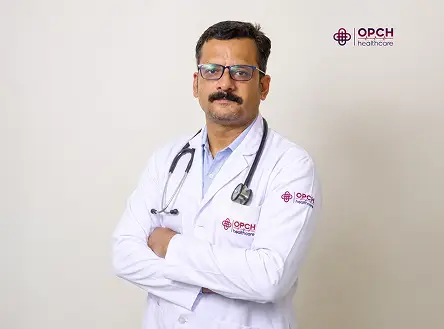
Dr. Rajendra Kumar Pandey

Dr. Rajendra Kumar Pandey

Neuro Physician

MBBS, MD, DM (Neurology) 


When symptoms like severe headache, seizures, weakness, numbness, balance problems, confusion, spine pain, or sudden loss of consciousness appear, timely evaluation matters. These signs may be linked to conditions affecting the brain, spine, nerves, or blood vessels and should not be delayed in seeking treatment.
OP Chaudhary Healthcare provides Neurosurgery in Lucknow for patients with stroke, epilepsy, coma, neuropathies, multiple sclerosis, Parkinson’s disease, myasthenia gravis, spine-related concerns, and other neurological conditions. 
Call +91-8960-059-575 or +91-9517164164 to book your consultation.

Why Early Neurosurgical Care Matters

Neurological symptoms should not be ignored because brain, spine, and nerve conditions may progress quickly. A sudden headache, weakness on one side, seizure, loss of consciousness, severe back pain, or difficulty speaking may need urgent medical evaluation.
WHO reports that more than 3 billion people worldwide were living with a neurological condition in 2021. In India, stroke, headache disorders, and epilepsy are among the major contributors to neurological disease burden.
Early evaluation helps identify whether symptoms are linked to stroke, brain injury, epilepsy, spine compression, nerve damage, infection, movement disorder, tumour, or another neurological condition. Timely care helps reduce complications and supports better treatment planning.

Who Should See a Neurosurgeon?

You should see a neurosurgeon if brain, spine, nerve, seizure, movement, or consciousness-related symptoms begin to affect daily life.

Patients with Stroke Warning Signs

Problem: Sudden weakness on one side, facial drooping, slurred speech, confusion, dizziness, or loss of balance may indicate stroke or reduced blood supply to the brain.
Solution: Urgent evaluation helps identify the cause and start the right care. OP Chaudhary Healthcare provides neuro-radiology, neuro-intensive care, and emergency support for patients with serious neurological symptoms.

Patients with Severe or Repeated Headaches

Problem: Severe headache, headache with vomiting, blurred vision, weakness, fever, confusion, or sudden onset headache should not be treated casually.
Solution: A neurosurgical evaluation helps rule out serious causes such as bleeding, raised pressure, infection, tumour, or vascular conditions.

Patients with Seizures or Epilepsy

Problem: Repeated seizures, fainting episodes, sudden jerking movements, blank spells, confusion after episodes, or loss of awareness may point to epilepsy or another neurological disorder.
Solution: Specialist evaluation helps confirm the cause, plan treatment, review medicines, and reduce the risk of future episodes.

Patients with Spine Pain or Nerve Compression

Problem: Neck or back pain with leg pain, arm pain, numbness, weakness, tingling, walking difficulty, or bladder control problems may indicate nerve compression or spinal disease.
Solution: Neurosurgical assessment helps decide whether medicines, physiotherapy, imaging, injections, monitoring, or surgery is needed. For a detailed overview of spine conditions and procedures, visit our Spine Surgery page.

Patients with Head Injury or Loss of Consciousness

Problem: Head injury with vomiting, drowsiness, confusion, bleeding, seizure, severe headache, or loss of consciousness needs prompt medical attention.
Solution: Emergency evaluation and imaging help detect internal bleeding, swelling, skull injury, or other complications.

Families Caring for Patients with Coma or Critical Neurological Illness

Problem: Patients in a coma, altered sensorium, severe brain injury, stroke, or serious neurological infection need close monitoring.
Solution: OP Chaudhary Healthcare provides neuro-intensive care and multidisciplinary support for critical neurological patients.

Neurosurgery Services at OP Chaudhary Healthcare

The Neurosurgery Department at OP Chaudhary Healthcare provides care for diseases affecting the brain, spine, nerves, and related systems. Treatment is planned after reviewing symptoms, imaging, medical condition, and urgency.
Our neurosurgery department works alongside the neurology team to provide comprehensive brain and nerve care, including both surgical and non-surgical management, as appropriate. 

Stroke Care

A stroke occurs when blood flow to part of the brain is blocked or when bleeding occurs inside the brain. It may cause sudden weakness, speech difficulty, facial drooping, dizziness, or confusion.
Neurosurgical and neurological evaluation helps identify the type of stroke, severity, and treatment needs. Patients with stroke symptoms should seek emergency care without delay.

Headache Evaluation

Most headaches are not surgical, but some need urgent evaluation. Warning signs include sudden severe headache, headache with vomiting, fever, weakness, seizure, vision change, or altered consciousness.
The department evaluates headache cases to rule out serious causes and guide treatment.

Epilepsy and Seizure Care

Epilepsy causes repeated seizures due to abnormal electrical activity in the brain. Some patients experience full-body seizures, while others have brief blank spells, confusion, or unusual movements.
Care includes diagnosis, medicine review, monitoring, and further evaluation when seizures are difficult to control.

Coma and Critical Brain Care

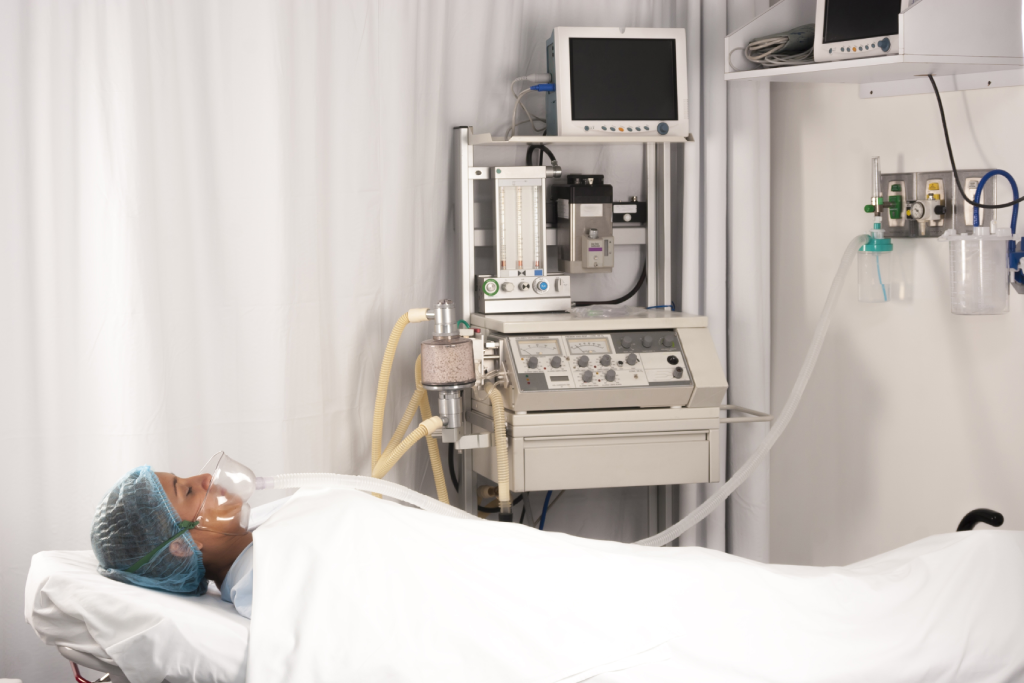
Coma may occur due to head injury, stroke, infection, poisoning, metabolic problems, or severe brain disease. Such patients need urgent evaluation and continuous monitoring.
OP Chaudhary Healthcare provides neuro-intensive care support for serious neurological conditions.

Neuropathies

Neuropathies affect nerves and may cause numbness, burning pain, tingling, weakness, or reduced sensation. Diabetes, vitamin deficiencies, injury, infections, or autoimmune conditions may contribute.
Evaluation helps identify the cause and guide medical treatment, monitoring, and rehabilitation support.

Multiple Sclerosis

Multiple sclerosis affects the central nervous system and may cause weakness, numbness, vision problems, balance difficulty, or fatigue. Diagnosis often needs clinical evaluation and imaging.
Care focuses on symptom control, monitoring, and long-term neurological support.

Parkinson's Disease

Parkinson’s disease affects movement and may cause tremors, stiffness, slow movement, balance problems, sleep changes, and speech difficulty.
The department supports evaluation and treatment planning for movement-related neurological concerns.

Myasthenia Gravis

Myasthenia gravis causes muscle weakness that often worsens with activity. Patients may notice droopy eyelids, double vision, difficulty chewing or swallowing, or breathing problems.
Timely care helps manage symptoms and reduce the risk of serious complications.

How Neurosurgical Treatment Works at OP Chaudhary Healthcare

At OP Chaudhary Healthcare, neurosurgical care is planned through consultation, neurological examination, imaging, diagnosis, and treatment planning. Advanced support, such as neuro-imaging, neuro-radiology, neuroanesthesia, neuro-intensive care, and minimally invasive techniques, is used when clinically needed.

Step 1: Consultation and Medical History

The doctor reviews symptoms, duration, past illnesses, medications, injury history, seizures, diabetes, blood pressure, weakness, pain, walking difficulty, or changes in consciousness. Family input is important when the patient has confusion, seizure, stroke symptoms, or coma.

Step 2: Neurological Examination

The examination may assess strength, sensation, reflexes, balance, speech, memory, eye movements, coordination, and walking ability. This helps identify whether the concern may involve the brain, spine, nerves, or blood vessels.

Step 3: Imaging and Diagnostic Tests

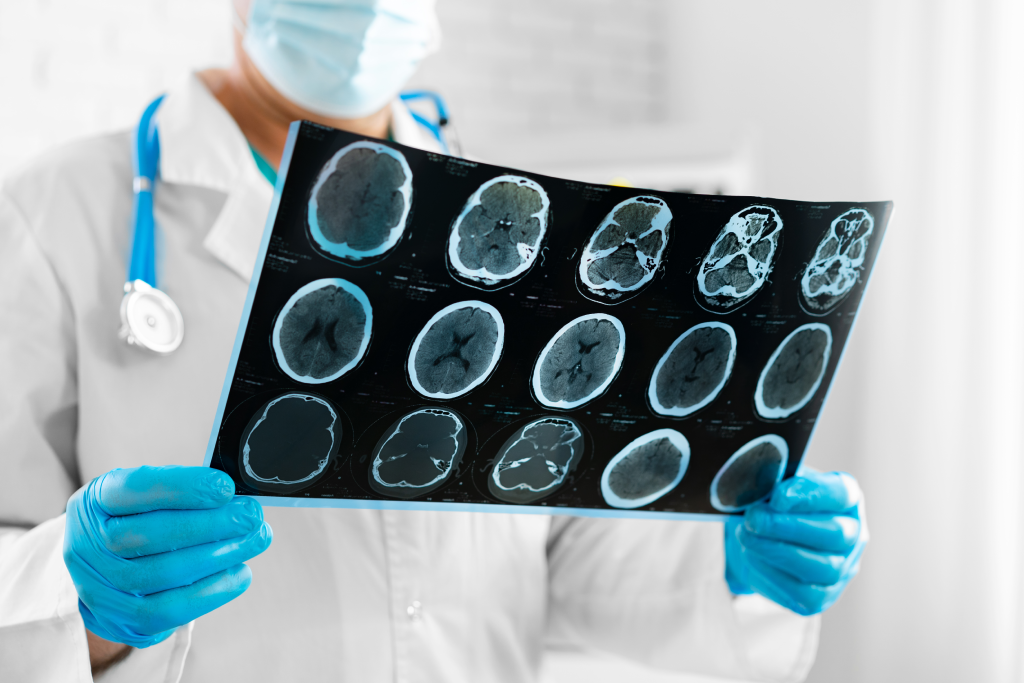
Depending on the case, the doctor may recommend a CT scan, an MRI, blood tests, a neuro-radiology assessment, or other investigations. Imaging plays an important role in stroke, trauma, spine disease, tumours, bleeding, infection, and nerve-related conditions.

Step 4: Diagnosis and Treatment Plan

After reviewing the findings, the doctor explains the condition and treatment options. The plan may include medicines, observation, ICU care, rehabilitation, minimally invasive surgery, emergency surgery, or coordination with other specialities when needed.

Step 5: Procedure Planning, If Needed

If surgery is advised, the team explains the reason, preparation, risks, expected recovery, hospital stay, and follow-up. Neuroanesthesia support helps with patient safety, pain control, and monitoring during complex brain and spine procedures.

Step 6: Neuro-Intensive Care and Recovery
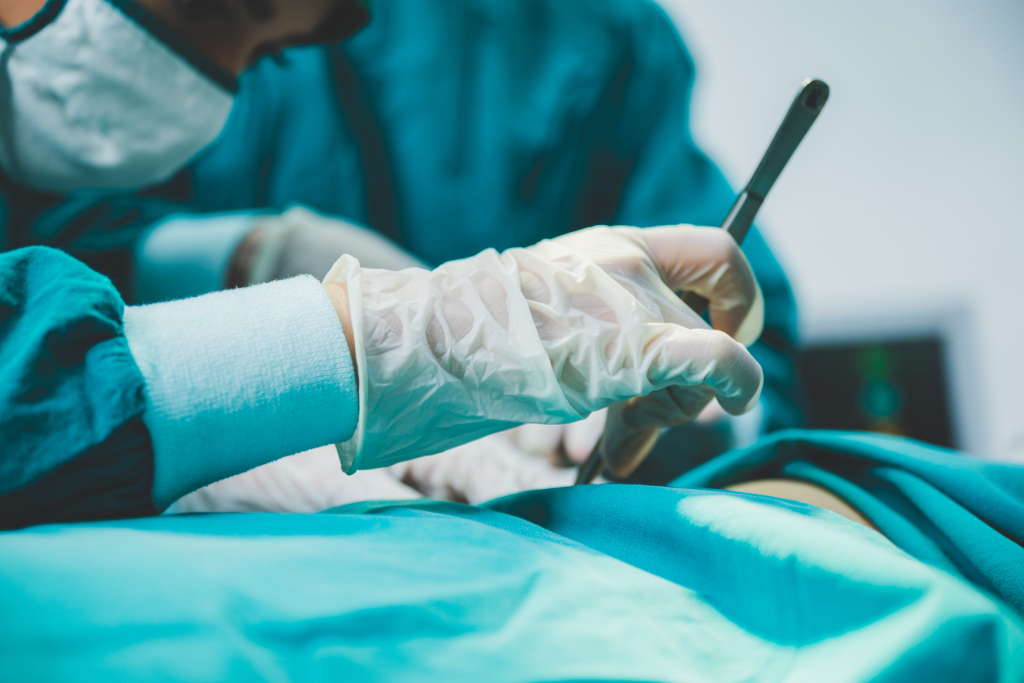
Patients with serious brain, spine, stroke, coma, trauma, or post-surgical needs may require close monitoring in neuro-intensive care. Follow-up care helps track healing, neurological improvement, medication response, wound care, rehabilitation progress, and long-term recovery.

Minimally Invasive Care, When Suitable

For selected patients, minimally invasive neurosurgical techniques may reduce tissue disruption and support smoother recovery compared with larger open procedures. Suitability depends on the diagnosis, imaging findings, patient health, and surgical requirements.

Oncology Coordination, When Required

Brain and spine tumours that require oncology input are managed with support from the oncology team. This helps patients with tumour-related neurological conditions receive coordinated care when medical or radiation oncology is needed.

How Neurosurgical Care Can Improve Daily Life

The right neurological evaluation and treatment can improve safety, mobility, function, and quality of life.

Concern

Before Treatment

With Neurosurgical Care

Stroke symptoms

Weakness, speech difficulty, confusion

Urgent evaluation and treatment planning begins

Severe headache

Pain, vomiting, fear, uncertainty

Serious causes are ruled out or treated

Seizures

Repeated episodes and injury risk

Diagnosis and medicine planning support control

Spine nerve compression

Pain, numbness, walking difficulty

Treatment helps reduce pressure and improve function

Coma or critical illness

High-risk neurological condition

Neuro-intensive care supports close monitoring

Parkinson’s symptoms

Tremor, stiffness, movement difficulty

Evaluation helps guide long-term care

Cost of Neurosurgery in Lucknow

The cost of neurosurgical care depends on the diagnosis, imaging, ICU need, procedure type, medicines, hospital stay, emergency care, and scheme eligibility. The ranges below are approximate and may vary after evaluation.
Service Approximate Cost Range
Neurosurgery consultation ₹700 to ₹1,500
Neurology or neuro evaluation ₹600 to ₹1,500
CT scan brain ₹2,000 to ₹6,000
MRI brain or spine ₹4,000 to ₹12,000
Emergency neuro care Based on case severity
ICU care Varies by monitoring and duration
Spine surgery ₹2,50,000 to ₹8,60,000 or more
Brain surgery ₹2,00,000 to ₹15,00,000 or more
Rehabilitation support Varies by plan

Note: OP Chaudhary Healthcare accepts Ayushman Bharat PM-JAY, ECHS, CGHS, Raksha TPA, and other listed government schemes, insurance partners, and institutional empanelments. Eligible patients should carry their relevant card, ID proof, previous reports, prescriptions, imaging films, and discharge summaries for verification.

Why Choose OP Chaudhary Healthcare for Neurosurgery in Lucknow?

For patients on Raebareli Road, near SGPGI, and in nearby areas of Lucknow, OP Chaudhary Healthcare offers neurosurgical care with imaging support, neuro-intensive care, emergency services, and access to multiple specialities in a single hospital setting.

Brain, Spine, and Nerve Care

The department provides care for stroke, headache, epilepsy, coma, neuropathies, multiple sclerosis, Parkinson’s disease, myasthenia gravis, spine concerns, and other neurological conditions.

Advanced Neuro Support

The department provides neuroanesthesia, neurosurgical intensive care, neuro-imaging technology, minimally invasive techniques, neuro-radiology, and oncology coordination for patients who need complex or combined care.

Multi-Disciplinary Team Approach

Our team includes neurosurgeons, neurologists, neuro-anaesthetists, neuro-physicians, intensivists, and rehabilitation specialists. This team approach supports patients through diagnosis, treatment, ICU care, and recovery.

24/7 Emergency and ICU Support

Patients with stroke symptoms, head injury, seizures, coma, sudden weakness, or severe headache may need urgent care. OP Chaudhary Healthcare provides emergency, ICU, ambulance, blood bank, pharmacy, pathology, and radiology support.

Scheme and Empanelment Support

The hospital accepts Ayushman Bharat PM-JAY, ECHS, CGHS, Raksha TPA, and other listed government schemes and insurance partners. Eligible patients should confirm coverage before treatment.

Accessible Location Near SGPGI

The hospital is located at Chaudhary Vihar, Raebareli Road, Lucknow, near SGPGI. This location is convenient for patients from Raebareli Road, Vrindavan Colony, SGPGI, Sultanpur Road, Unnao, Raebareli, and nearby areas.

Book Your Consultation for Neurosurgery in Lucknow

Do not wait for severe headache, seizure, weakness, spine pain, head injury, or stroke symptoms to get worse. Timely neurosurgical evaluation helps identify the cause and plan the right treatment.
Call 91-9517164164 for an appointment, or visit us at Chaudhary Vihar, Raebareli Road, Lucknow. Emergency and ambulance services are available 24×7, and Ayushman Bharat beneficiaries are welcome.

FAQs

You should consult a neurosurgeon if you have severe headaches, seizures, weakness, numbness, spine pain with nerve symptoms, head injury, loss of consciousness, or stroke warning signs.

The neurosurgery department treats stroke, headache, epilepsy, coma, neuropathies, multiple sclerosis, Parkinson’s disease, myasthenia gravis, spine conditions, and provides minimally invasive surgery, neuro-intensive care, and neuro-radiology support.

No. Many spine problems are managed with medicines, physiotherapy, injections, monitoring, or lifestyle changes. Surgery is considered when symptoms are severe, progressive, or linked with nerve compression.

Stroke warning signs include sudden facial drooping, weakness of the arms or legs, slurred speech, confusion, severe dizziness, vision changes, or loss of balance. These symptoms need emergency care.

Yes. The hospital provides emergency support, ICU care, ambulance service, radiology, pathology, pharmacy, and blood bank support. Patients with stroke symptoms, head injury, seizures, or coma should seek urgent care.

Book an Appointment
Book an Appointment
Book an Appointment
Book an Appointment
Book an Appointment
Book an Appointment
Book an Appointment
Book an Appointment
Book an Appointment
Book an Appointment
Book an Appointment
Book an Appointment
Book an Appointment
Book an Appointment
Book an Appointment
Book an Appointment
Book an Appointment
Book an Appointment