आयुष्मान भारत - प्रधानमंत्री जन आरोग्य योजना (पीएम-जय) उत्तर प्रदेश गंभीर बीमारी सहायता योजना/ मुख्यमंत्री विवेकाधीन राहत कोष से इलाज हेतु आर्थिक सहायता आयुष्मान भारत - प्रधानमंत्री जन आरोग्य योजना (पीएम-जय) उत्तर प्रदेश गंभीर बीमारी सहायता योजना/ मुख्यमंत्री विवेकाधीन राहत कोष से इलाज हेतु आर्थिक सहायता आयुष्मान भारत - प्रधानमंत्री जन आरोग्य योजना (पीएम-जय) उत्तर प्रदेश गंभीर बीमारी सहायता योजना/ मुख्यमंत्री विवेकाधीन राहत कोष से इलाज हेतु आर्थिक सहायता आयुष्मान भारत - प्रधानमंत्री जन आरोग्य योजना (पीएम-जय) उत्तर प्रदेश गंभीर बीमारी सहायता योजना/ मुख्यमंत्री विवेकाधीन राहत कोष से इलाज हेतु आर्थिक सहायता

Eye Specialist in Lucknow
Home » Medical Services in Lucknow » Eye Specialist in Lucknow
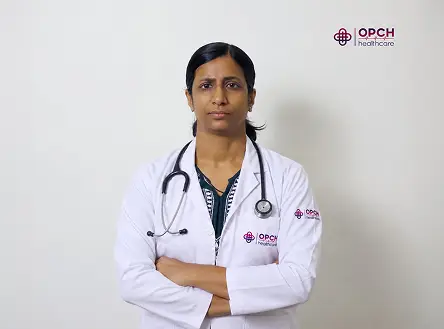
Dr.payal garg

Dr. Payal Garg

Consultant Ophthalmology

MBBS, MS (OPTH)


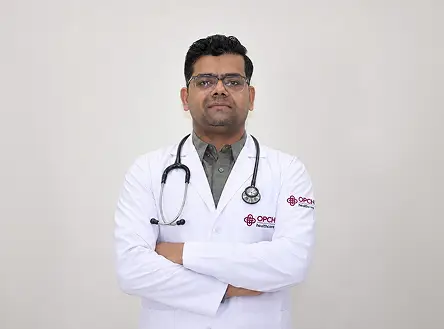
Dr Rajat Patel

Dr. Rajat Patel

Ophthalmologist

MBBS, MS (Ophthalmology)

When blurred vision, eye pain, glare, redness, or sudden floaters begin affecting your daily routine, a basic eye checkup may not be enough. You need a specialist who can identify the cause early and guide the right treatment before the condition worsens.
At the Ophthalmology Department of OP Chaudhary Healthcare, patients can consult an Eye Specialist in Lucknow for cataract care, retina treatment, glaucoma management, pediatric eye care, squint treatment, oculoplasty, uveitis care, and routine eye exams. 
Call +91-8960-059-575 or +91-9517164164 to book your consultation.

Why Early Eye Checkups Matter for Your Vision

Eye problems do not always begin with severe pain or sudden vision loss. Conditions like cataract, glaucoma, diabetic retinopathy, and retinal disease often develop gradually, which is why early evaluation matters.
WHO reports that at least 2.2 billion people worldwide live with near or distance vision impairment, and at least 1 billion of these cases could have been prevented or still need care. In India, cataract remains one of the leading causes of avoidable blindness, while diabetic retinopathy affects around 21.7% of people with diabetes.
A timely eye checkup helps identify whether your symptoms are linked to eyeglass power, cataracts, retinal disease, glaucoma, infection, inflammation, dry eye, or another concern. Early diagnosis allows your eye specialist to plan the right treatment before the condition worsens and affects your vision.

Who Should See an Eye Specialist?

You should see an eye specialist if vision changes, pain, redness, diabetes, age-related concerns, or children’s eye symptoms begin affecting daily life.

Adults with Blurry or Cloudy Vision

Problem: Cloudy vision, glare, faded colours, or difficulty reading may be linked to cataract, dry eye, glaucoma, retina disease, or changes in glasses power.

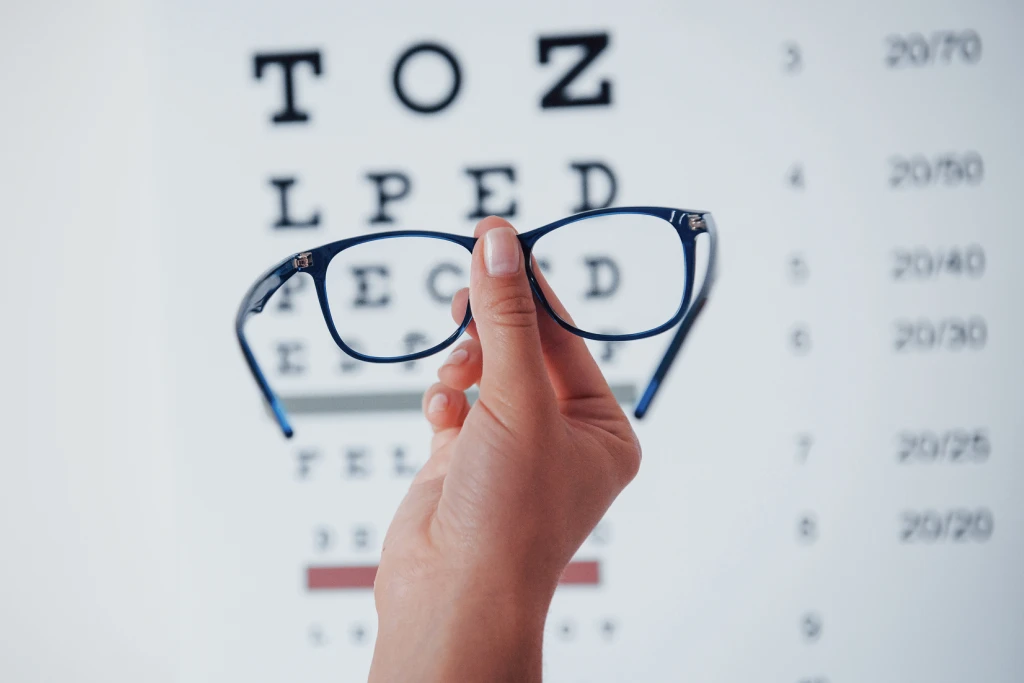
Solution: An eye specialist checks your vision, lens, eye pressure, and retina before recommending glasses, medicines, monitoring, or cataract surgery

Diabetic Patients Who Need Retina Screening

Problem: Diabetes can affect the retina even when vision feels normal. Waiting for symptoms may delay treatment. 

Solution: Regular retinal screening helps detect early diabetic eye changes and supports timely treatment planning.
Parents Concerned About a Child’s Eyesight

Problem: Sitting close to screens, rubbing eyes, headaches, poor school performance, or one eye turning inward or outward may signal a vision problem.

Solution: A pediatric eye exam helps detect refractive errors, squint, lazy eye, and other childhood eye concerns early. 

Working Professionals with Screen-Related Eye Strain

Problem: Long screen hours can cause dryness, irritation, headaches, blurred vision, and difficulty focusing.

Solution: A complete eye checkup helps identify the cause and guide treatment with glasses, drops, screen-use advice, or follow-up care.

Patients with Redness, Pain, or Light Sensitivity

Problem: Redness with pain, swelling, watering, light sensitivity, or reduced vision may signal infection, uveitis, injury, glaucoma, or inflammation.

Solution: Early diagnosis helps control discomfort, reduce complications, and protect vision.

Seniors Struggling with Poor Vision

Problem: Poor vision can make reading, walking, recognising faces, driving, or moving independently difficult. Cataract, glaucoma, retinal disease, and age-related changes in the eye are common causes.

Solution: A complete eye exam helps identify the cause and gives families a clear treatment plan for care, monitoring, or surgery.

Eye Care Services at OP Chaudhary Healthcare

The Ophthalmology Department at OP Chaudhary Healthcare provides diagnosis and treatment for common and complex eye conditions. Each treatment plan is based on your symptoms, eye examination, age, medical history, and the severity of your condition.

Cataract Care

Cataract occurs when the natural lens of the eye becomes cloudy. It can cause blurred vision, glare, faded colours, poor night vision, and difficulty reading or driving.
OP Chaudhary Healthcare uses the Oertli CataRhex 3 Phaco Machine for cataract surgery. This technology supports precise cataract care and helps make the procedure smoother for suitable patients. Your eye specialist checks your lens, retina, eye pressure, and overall health before recommending surgery.

Retina Treatment

Retina care is important for patients with diabetes, sudden floaters, flashes of light, dark spots, distorted vision, or sudden vision loss.
At OP Chaudhary Healthcare, retina treatment includes diagnostic evaluation and treatment planning for retinal diseases to help preserve and support vision.

Glaucoma Management

Glaucoma can damage the optic nerve and may progress without clear symptoms in the early stage. Regular eye pressure checks and optic nerve evaluation help detect risk early.
Treatment may include eye drops, monitoring, additional tests, or surgery, depending on the stage and severity of the condition.

Pediatric Ophthalmology

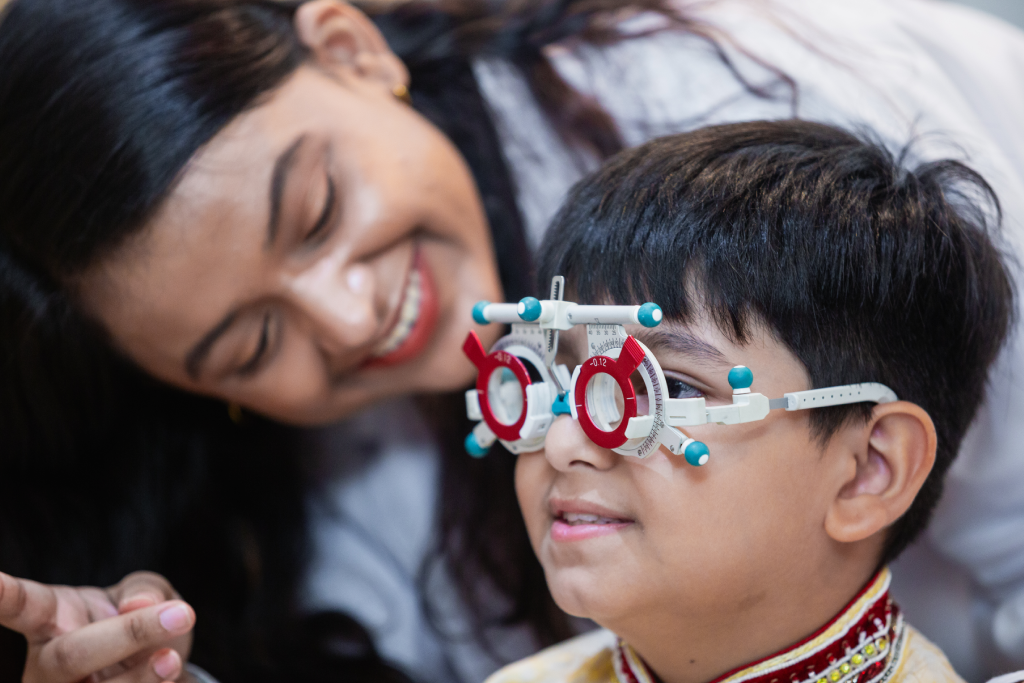
Children may need eye care for refractive errors, squint, amblyopia, headaches, poor reading, or difficulty seeing the board at school.
The Ophthalmology Department provides pediatric eye evaluations to detect childhood vision concerns early and guide appropriate treatment.

Squint Treatment

Squint, also called strabismus, occurs when both eyes do not align in the same direction. It may affect eye coordination, appearance, and vision development in children.
OP Chaudhary Healthcare provides evaluation and treatment for squint through surgical and non-surgical methods, depending on the cause and severity. 

Oculoplasty

Oculoplasty focuses on eyelid, tear duct, and facial concerns related to eye health. These issues may affect comfort, appearance, or eye protection.
The department provides reconstructive and cosmetic care for selected eyelid and facial eye-related conditions.

Uveitis Services

Uveitis is inflammation of the uveal tract inside the eye. It may cause redness, pain, light sensitivity, blurred vision, and floaters.
OP Chaudhary Healthcare provides evaluation and treatment planning to control inflammation and reduce the risk of complications.

How Eye Treatment Works at OP Chaudhary Healthcare

At OP Chaudhary Healthcare, eye treatment is planned after a proper consultation, examination, and diagnosis. The goal is to identify the cause clearly and recommend the right care for your condition.

Step 1: Consultation and Medical History

The eye specialist reviews your symptoms, current medicines, past eye problems, glasses history, previous eye surgery, and family history of eye disease. Your diabetes, blood pressure, and other health conditions are also discussed because they may affect your eyes.

Step 2: Vision and Eye Examination

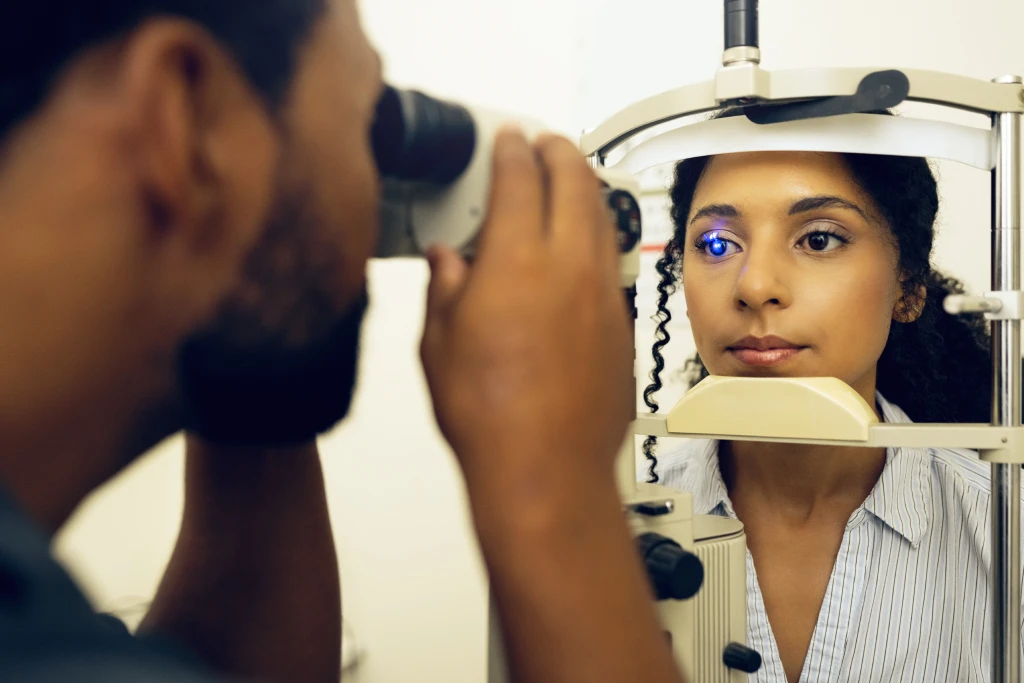
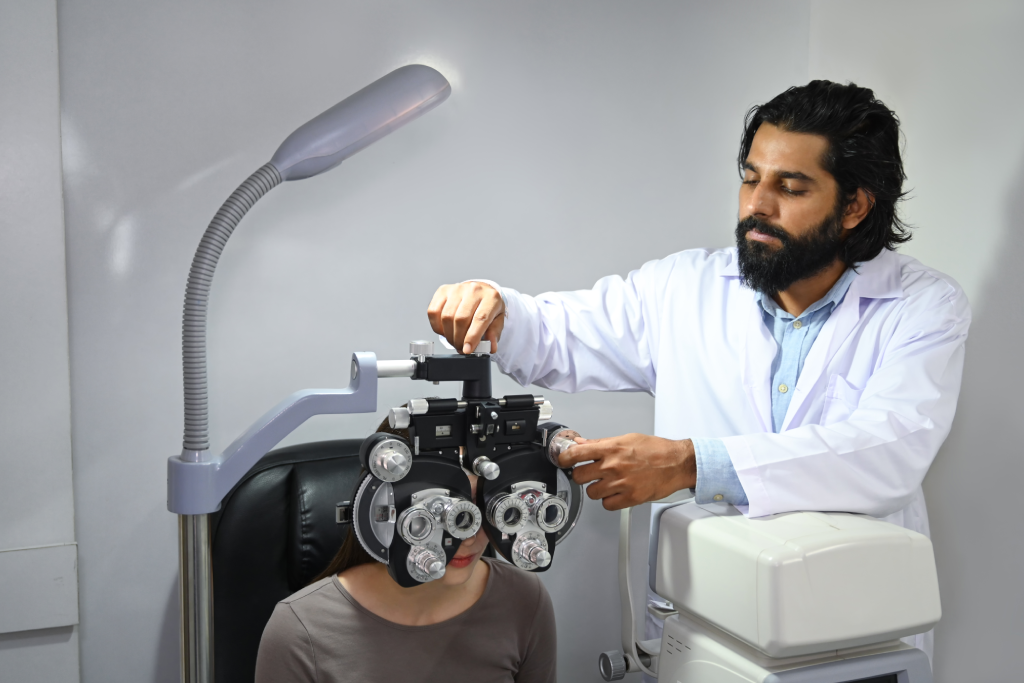
Your examination may include vision testing, refraction, eye pressure measurement, slit-lamp examination, and retina evaluation. Additional tests are recommended only when needed, based on your symptoms and risk factors.

Step 3: Diagnosis and Explanation

After the examination, the doctor explains the cause of your concern. The problem may be related to glasses power, cataract, retina disease, glaucoma, dry eye, infection, inflammation, squint, or another eye condition.

Step 4: Treatment Recommendation

Your treatment plan may include eye drops, medications, glasses, digital eye-strain guidance, routine monitoring, or a procedure. If you need cataract surgery, retinal treatment, squint care, oculoplasty, or uveitis management, the doctor clearly explains the next step.

Step 5: Procedure Planning, If Needed

If surgery or a procedure is advised, the team explains preparation, expected recovery, precautions, and follow-up. Before cataract surgery, the doctor reviews cataract severity, retinal health, eye pressure, lens options, and medical fitness to plan treatment.

Step 6: Follow-Up and Long-Term Care

Follow-up visits help monitor healing, vision improvement, medicine response, eye pressure, retina health, and surgical recovery. Patients with diabetes, glaucoma, retinal disease, or uveitis may need regular monitoring to protect long-term vision.
Google Review

5.0/5.0

review

400+ Reviews on Google

PATIENT TESTIMONIALS

How Timely Eye Care Can Improve Daily Life

The right eye treatment can improve comfort, clarity, safety, and confidence in everyday activities.
Concern Before Treatment After Proper Eye Care
Blurry vision Reading, driving, and screen use feel difficult The cause is identified and the right treatment begins
Cataract Glare, cloudy vision, and poor night vision affect routine tasks Vision improves after suitable cataract treatment
Diabetes-related eye risk Retina damage may go unnoticed Regular screening helps detect changes early
Child’s vision issue Poor reading, squinting, or school difficulty continues Early care supports better visual development
Glaucoma risk Early stages may have no clear symptoms Monitoring helps slow further vision loss
Eye pain or redness Discomfort, irritation, and worry continue Diagnosis helps start targeted treatment

Meet Dr. Payal Garg, Eye Specialist at OP Chaudhary Healthcare

Dr. Payal Garg is a Consultant Ophthalmologist at OP Chaudhary Healthcare, with MBBS and MS (OPTH) qualifications. She has 10+ years of experience in ophthalmology, including cataract care, glaucoma management, pediatric eye care, and community eye screening camps.
Patients visiting for cataract care, retina evaluation, glaucoma management, pediatric eye concerns, squint, uveitis, or routine eye checkups should call to confirm their current OPD availability before visiting.

Cost of Eye Treatment in Lucknow

The cost of eye treatment depends on your diagnosis, required tests, procedure type, lens option, medicines, and scheme eligibility. The ranges below are only approximate and may vary after examination.
Service Approximate Cost Range
Eye specialist consultation ₹300 to ₹700
Routine eye checkup ₹500 to ₹1,500
Refraction and glasses prescription ₹200 to ₹600
Cataract surgery with standard lens ₹15,000 to ₹35,000 per eye
Cataract surgery with premium lens ₹35,000 to ₹80,000 per eye
Glaucoma evaluation ₹1,000 to ₹4,000
Retina evaluation ₹1,500 to ₹5,000
Retina laser treatment ₹5,000 to ₹20,000 per session
Squint surgery ₹20,000 to ₹50,000
Note: OP Chaudhary Healthcare accepts Ayushman Bharat PM-JAY, ECHS, CGHS, Raksha TPA, and other listed government schemes, insurance partners, and institutional empanelments. Eligible patients should carry their relevant card, ID proof, previous reports, and prescriptions for verification. 

Why Choose OP Chaudhary Healthcare for Eye Care in Lucknow?

For patients on Raebareli Road, near SGPGI, and nearby areas of Lucknow, OP Chaudhary Healthcare offers specialist eye consultation, cataract technology, support from multiple specialities, and scheme assistance in one place.

Comprehensive Ophthalmology Services

The Ophthalmology Department provides care for cataract, retina diseases, glaucoma, pediatric eye concerns, squint, oculoplasty, uveitis, and routine vision problems. Patients receive evaluation and treatment guidance based on their symptoms and diagnosis.

Cataract Technology Support

OP Chaudhary Healthcare uses the Oertli CataRhex 3 Phaco Machine for cataract surgery. This technology supports phaco cataract care and helps the surgeon remove the cloudy lens with precision for suitable patients.

Multi-Speciality Hospital Support

Eye patients with diabetes, high blood pressure, kidney disease, heart conditions, or other medical concerns may need coordinated care. OP Chaudhary Healthcare provides access to multiple specialities when needed.

Diabetic Eye Care Support

Patients with diabetes often need retina screening along with medical monitoring. The hospital supports diabetic eye evaluation and coordination with related departments when needed.

Community Outreach Programs

OP Chaudhary Healthcare conducts diabetic retinopathy screening camps, school screening programs, and house-to-house screening for eye diseases. These programs help identify eye problems early, especially for patients who delay hospital visits. 

Scheme and Empanelment Support

The hospital mentions Ayushman Bharat PM-JAY, Uttar Pradesh health schemes, ECHS, and Raksha TPA support. Eligible patients should carry their required documents for verification.

Accessible Location Near SGPGI

The hospital is located at Chaudhary Vihar, Raebareli Road, near SGPGI. This location is convenient for patients from Raebareli Road, Vrindavan Colony, SGPGI, Sultanpur Road, and nearby areas of Lucknow.

Book Your Consultation With an Eye Specialist in Lucknow

Do not wait for blurred vision, eye pain, redness, floaters, or diabetes-related eye concerns to get worse. A timely eye consultation helps identify the cause and plan the right treatment.
Visit OP Chaudhary Healthcare at Chaudhary Vihar, Raebareli Road, Lucknow, near SGPGI, for specialist eye care. Call +91-8960-059-575 or +91-9517164164 to schedule your appointment.

FAQs

Cataract surgery is usually done with numbing eye drops or local anaesthesia. Most patients feel mild pressure, not pain. Your eye specialist will explain the preparation, procedure, recovery steps, and follow-up schedule before surgery. 

Many patients notice clearer vision within a few days, but full healing may take a few weeks. Recovery depends on your eye health, lens choice, medical conditions, and how well you follow post-surgery instructions. 

Visit an eye specialist urgently if you have sudden vision loss, severe eye pain, eye injury, flashes of light, sudden floaters, intense redness, or light sensitivity. These symptoms may need prompt diagnosis and treatment.

Glaucoma damage usually cannot be reversed, but treatment helps control eye pressure and slow further vision loss. Your doctor may recommend eye drops, regular monitoring, tests, laser care, or surgery, depending on the stage. 

Most diabetic patients should get a retina screening at least once a year. Patients with long-term diabetes, uncontrolled sugar levels, pregnancy, kidney disease, or existing retinopathy may need more frequent follow-ups. 

Book an Appointment
Book an Appointment
Book an Appointment
Book an Appointment
Book an Appointment
Book an Appointment
Book an Appointment
Book an Appointment
Book an Appointment
Book an Appointment
Book an Appointment
Book an Appointment
Book an Appointment
Book an Appointment
Book an Appointment
Book an Appointment
Book an Appointment
Book an Appointment