
Cath Lab in Lucknow for Angiography and Angioplasty
Home » Cath Lab in Lucknow for Angiography and Angioplasty
Heart conditions caused by narrowed arteries or abnormal heart rhythms may require timely evaluation and specialised care. OP Chaudhary Healthcare provides Cath Lab services in Lucknow, including coronary angiography, angioplasty, stent placement, pacemaker implantation and cardioversion when recommended by the cardiologist.
Care begins with a detailed review of the patient’s symptoms, medical history and test results. The cardiac team is supported by in-house diagnostic, ICU, emergency, ambulance and blood-bank services, allowing coordinated care within the same hospital.
What Is a Cath Lab?
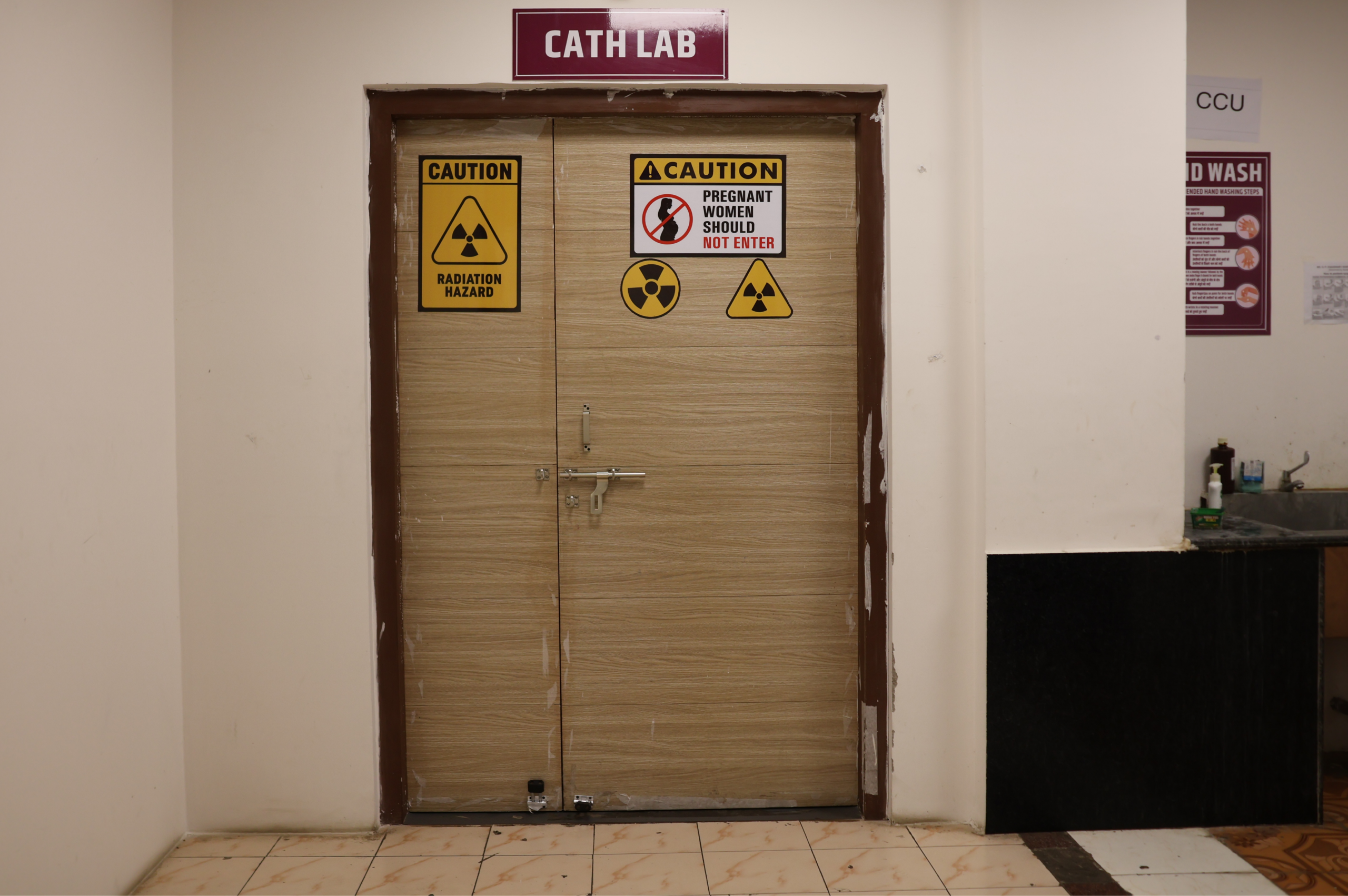
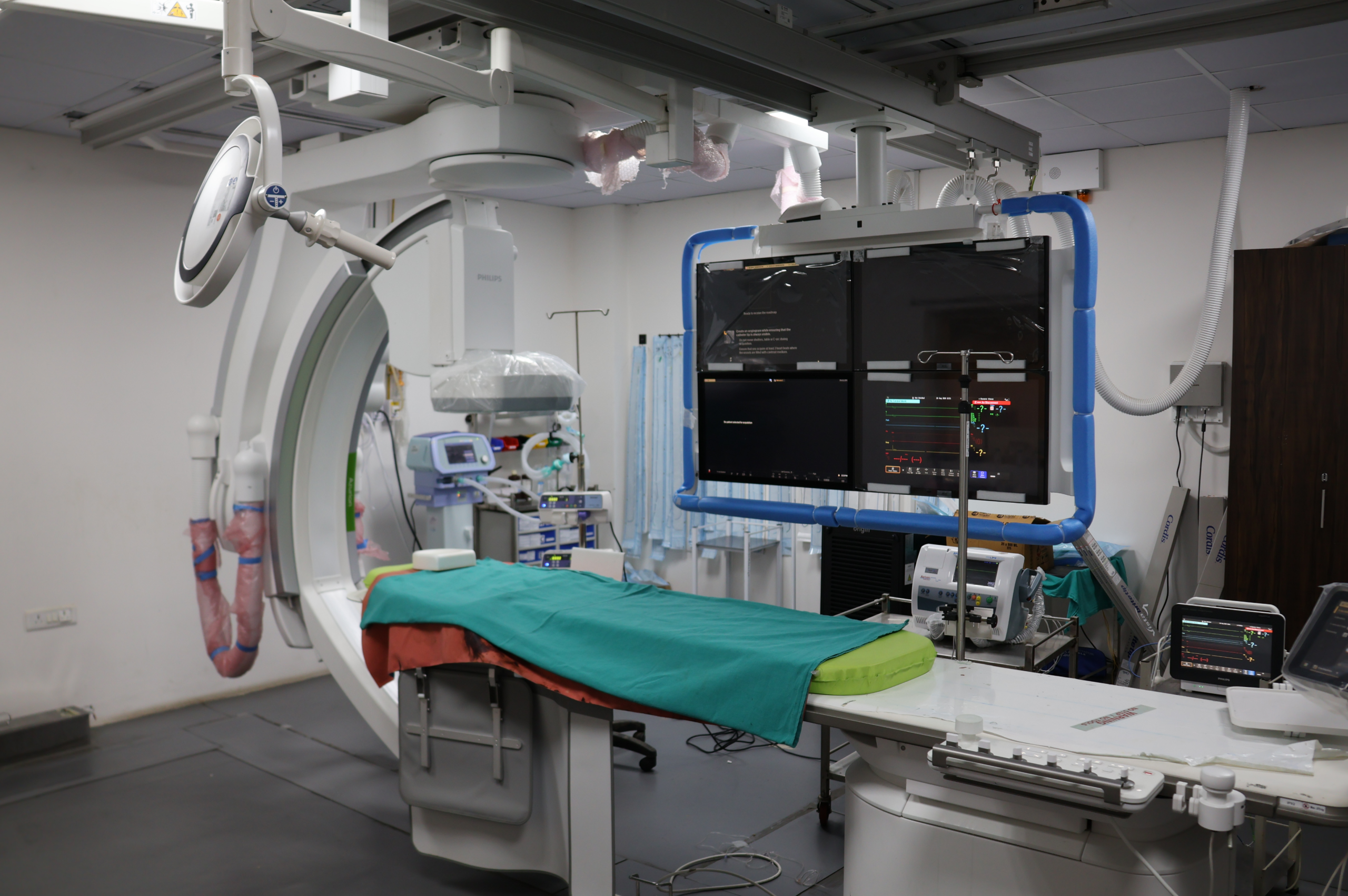
A Cath Lab, also called a cardiac catheterisation laboratory, is a specialised hospital unit used to examine the heart and blood vessels.
It uses real-time X-ray imaging to help a cardiologist guide a thin, flexible tube called a catheter through a blood vessel, usually from the wrist or groin. The images and measurements obtained in the Cath Lab help the cardiologist understand blood flow, detect narrowing in the coronary arteries and decide the most appropriate next step.
When Do You Need a Cath Lab Procedure?
A cardiologist may recommend a Cath Lab evaluation when symptoms or test results suggest a possible problem with the coronary arteries or heart rhythm.
Further evaluation may be considered for patients with:
- Chest pain, pressure or heaviness during physical activity: This may indicate reduced blood flow to the heart.
- Breathlessness during routine tasks: Unexplained shortness of breath may be related to an underlying heart condition.
- Unexplained dizziness or fainting: These symptoms may occur when the heart cannot maintain adequate blood flow.
- Palpitations or an irregular heartbeat: Recurrent rhythm changes may require further cardiac assessment.
- Abnormal cardiac test results: ECG, echocardiogram or treadmill-test findings may indicate the need for additional evaluation.
- Previous heart attack or coronary artery disease: Further assessment may help monitor existing blockages or new symptoms.
- Persistent symptoms despite medical treatment: Ongoing symptoms may require a closer examination of the coronary arteries.
- Diabetes, high blood pressure or high cholesterol: These conditions increase heart-disease risk, especially when accompanied by symptoms.
- A strong family history of early heart disease: Inherited risk may justify additional investigation when concerning symptoms are present.
These symptoms can have several causes. The cardiologist will determine whether a Cath Lab procedure or another cardiac test is appropriate.
Cath Lab and Related Cardiac Procedures at OP Chaudhary Healthcare
The cardiologist recommends a procedure only after reviewing the patient’s symptoms, medical history and cardiac investigation results.
Coronary Angiography
Coronary angiography uses contrast dye and X-ray imaging to examine the arteries supplying blood to the heart. It helps identify the location and severity of narrowing or blockages.
The findings guide further treatment, which may include medicines, angioplasty, monitoring or referral for cardiac surgery.
Coronary Angioplasty and Stent Placement
Coronary angioplasty, also known as PTCA, is used to open a narrowed or blocked coronary artery. A small balloon widens the affected area, and a stent may be placed to maintain blood flow.
The need for angioplasty and the type or number of stents depend on the angiography findings and the patient’s condition.
Pacemaker Implantation
A pacemaker is a small device that helps regulate an unusually slow heartbeat or certain electrical conduction problems.
The cardiologist reviews the patient’s symptoms, ECG and rhythm-monitoring results before deciding whether pacemaker implantation is appropriate.
Cardioversion
Cardioversion may be recommended for selected patients with atrial fibrillation or another abnormal heart rhythm. It may involve medication or a controlled electrical shock to help restore a regular rhythm.
The cardiologist explains the preparation, expected benefits and possible risks before treatment.
What Happens Before, During and After a Cath Lab Procedure?
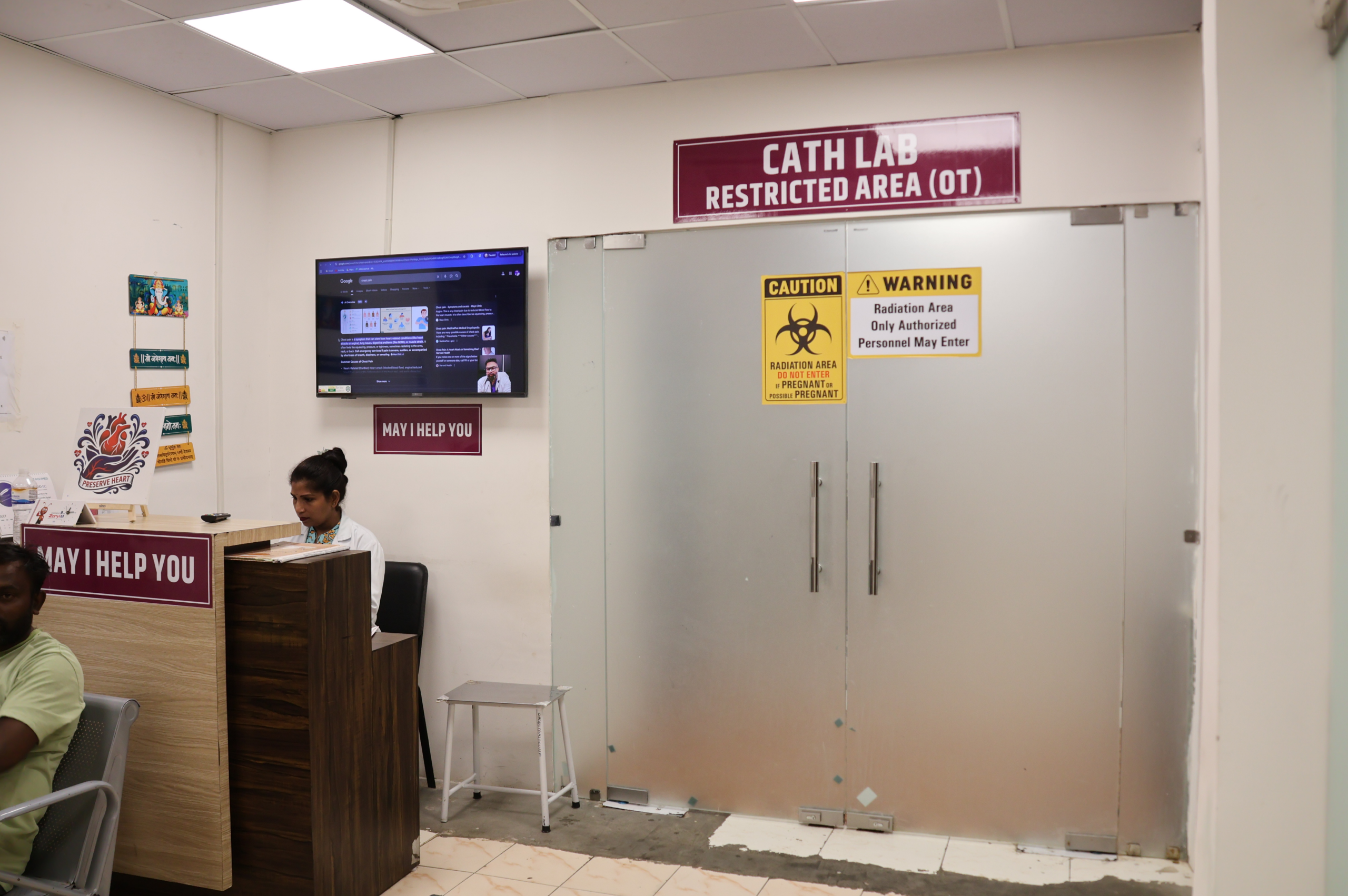
The process at our Cath Lab in Lucknow varies according to the procedure recommended and the patient’s health. The medical team provides clear preparation and recovery instructions before treatment.
Before the Procedure
The cardiologist reviews your medical history, current medicines, allergies and previous reports. Blood tests or cardiac investigations may be required. You may also be asked to avoid food and fluids for a specified period. Do not stop any prescribed medicine unless advised by the doctor.
During the Procedure
The medical team prepares and numbs the treatment area before starting. Patients are usually awake, although medication may be given to help them relax. The duration depends on whether the patient is undergoing angiography, angioplasty, pacemaker implantation or another cardiac procedure.
After the Procedure
The patient remains under observation while the team monitors vital signs and recovery. Some patients may leave after several hours, while others may require an overnight stay. Before discharge, the team provides guidance on medicines, activity, wound care and follow-up.

5.0/5.0

400+ Reviews on Google
PATIENT TESTIMONIALS



Meet Our Cardiovascular Specialist in Lucknow
Prof. Dr. Ankit Gupta is the Director and Head of Cardiovascular Sciences at OP Chaudhary Healthcare. He holds an MD and DrNB and is a FAPSIC. Dr. Gupta evaluates patients with coronary artery disease, high blood pressure, heart failure, abnormal heart rhythms, valvular heart disease and other cardiovascular concerns. After reviewing the patient’s symptoms, medical history and investigation results, he recommends an appropriate treatment plan, which may include medicines, monitoring or a cardiologist-recommended intervention.
Angiography and Angioplasty Cost in Lucknow
The cost of angiography or angioplasty varies according to the patient’s condition and treatment requirements. At our Cath Lab in Lucknow, coronary angiography is used as a diagnostic test, while angioplasty may involve balloons, stents, medicines, hospital admission and post-procedure monitoring.
Factors that may affect the final estimate include:
- Type and complexity of the treatment
- Number and type of stents required
- Location and severity of the blockage
- Existing medical conditions
- Medicines and disposable materials
- ICU, room or monitoring requirements
- Length of hospital stay
- Insurance or government-scheme coverage
The hospital can provide an estimated cost after the cardiologist evaluates the patient and recommends an appropriate treatment plan.
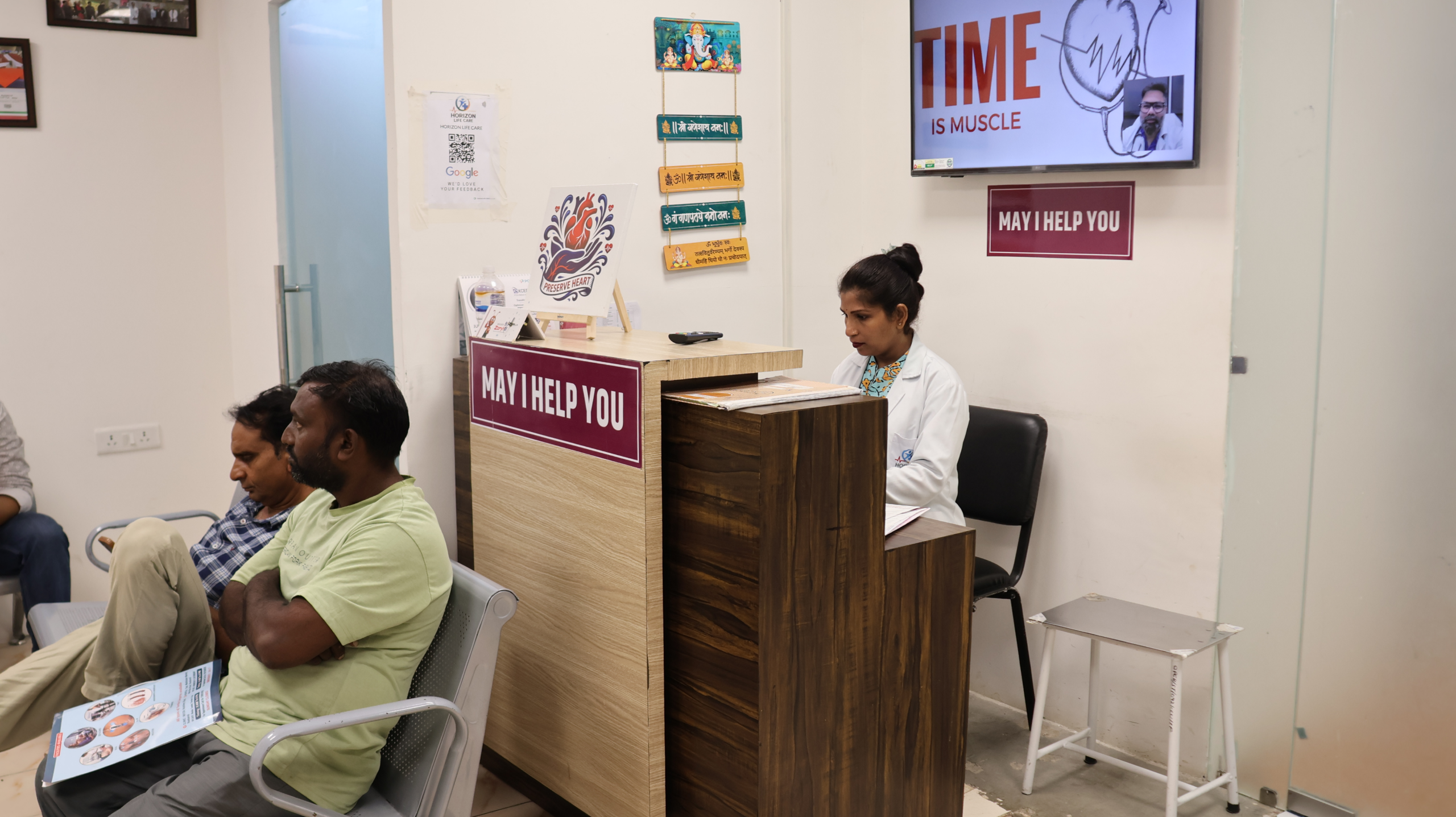
Ayushman Bharat and Insurance Coverage for Cath Lab Treatment
Eligible patients may receive coverage for selected cardiac treatments through Ayushman Bharat PM-JAY, approved insurance providers and TPAs. Coverage depends on eligibility, package terms, authorisation and the procedure or device required.
Patients should carry their scheme card, photo ID, insurance details and medical reports. Contact OP Chaudhary Healthcare before a planned admission to confirm coverage and required documents.
Why Choose OP Chaudhary Healthcare for Cardiac Care in Lucknow?
OP Chaudhary Healthcare provides cardiologist-led treatment supported by diagnostic, emergency, monitoring and multi-speciality services within the same hospital.
Cardiologist-Led Treatment Planning
The cardiologist reviews the patient’s symptoms, medical history and investigation results before recommending angiography, angioplasty, pacemaker care or another appropriate treatment option.
In-House Diagnostic Support
Patients can access ECG, echocardiography, laboratory testing and radiology services within the hospital, helping the cardiology team coordinate investigations and treatment planning.
ICU and Monitoring Facilities
Patients who need close observation before or after a cardiac procedure can receive hospital-based monitoring, nursing support and intensive care according to their condition.
Multi-Speciality Coordination
The cardiology team can coordinate with specialists from other departments when diabetes, kidney disease, respiratory conditions or related health concerns require additional evaluation.
Emergency and Ambulance Support
The hospital provides 24×7 emergency and ambulance services for initial assessment, stabilisation and specialist referral when patients develop urgent cardiac symptoms.
Accessible Location in Lucknow
OP Chaudhary Healthcare is located at Chaudhary Vihar on Raebareli Road, near SGPGI, making it accessible from nearby Lucknow localities and surrounding districts.
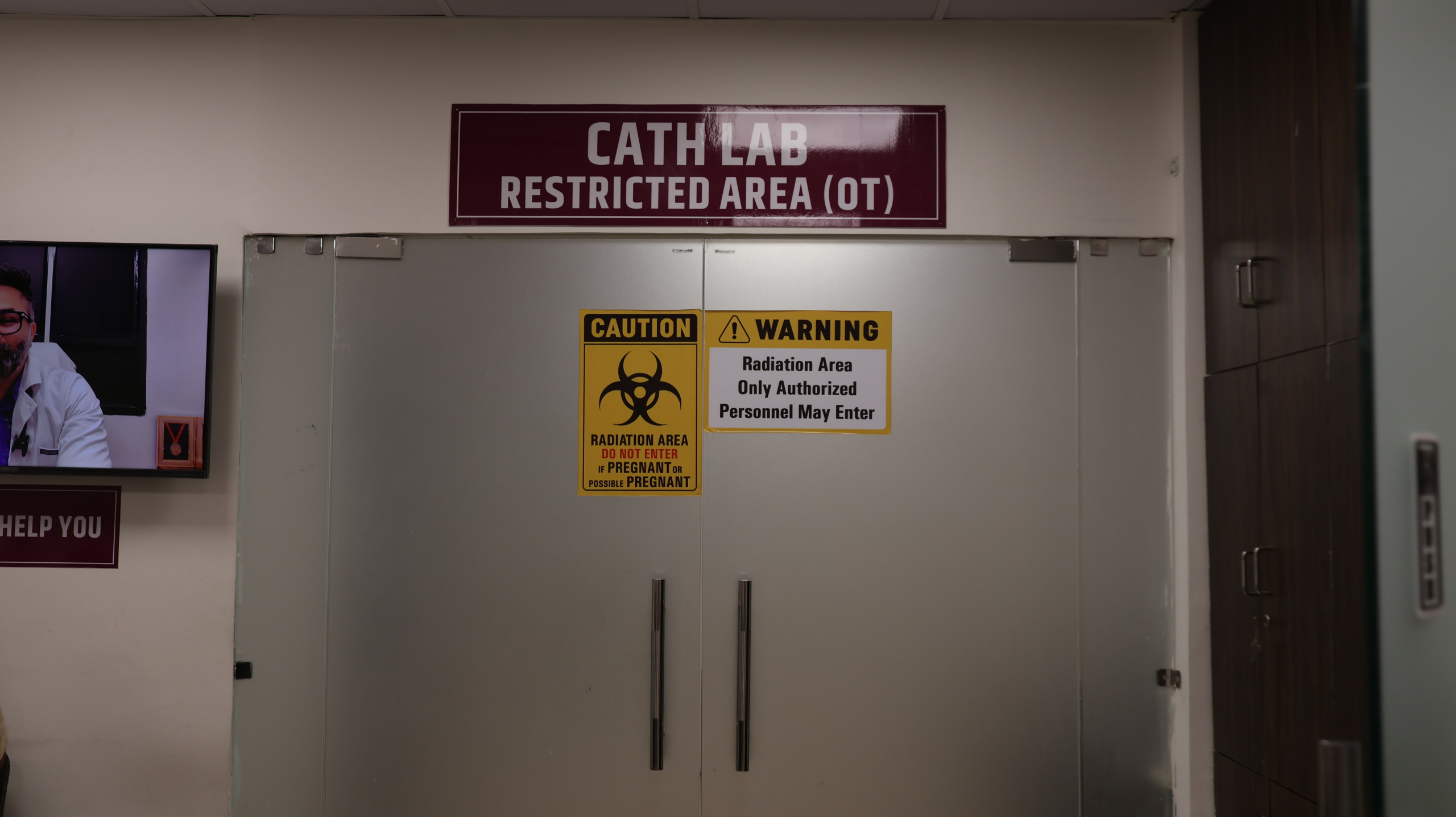
Emergency Cardiac Care and Cath Lab Services in Lucknow
Sudden chest pressure, breathlessness, cold sweating, fainting or pain spreading to the arm, jaw or back requires immediate medical attention.
OP Chaudhary Healthcare provides 24×7 emergency and ambulance support. The medical team assesses and stabilises the patient before arranging angiography, angioplasty or another cardiac treatment when clinically required and recommended by the cardiologist.
Book an Appointment at Our Cath Lab in Lucknow
If you need a cardiac evaluation, angiography, angioplasty, pacemaker care or another cardiologist-recommended procedure, visit OP Chaudhary Healthcare for specialist support. To book an appointment, call +91-9517164164. For emergency care or ambulance assistance, contact +91-8960059575.
OP Chaudhary Healthcare is located at Chaudhary Vihar, Raebareli Road, Lucknow. Book an appointment today.
FAQs
A Cath Lab may be used for coronary angiography, angioplasty, stent placement, pacemaker implantation and selected heart-rhythm treatments. The cardiologist recommends a procedure after reviewing the patient’s symptoms and test results.
Angiography is a diagnostic test that identifies narrowing or blockages in the coronary arteries. Angioplasty is a treatment that opens a narrowed artery, often using a balloon and stent to improve blood flow.
Coronary angiography is performed after numbing the access area with local anaesthesia. Patients may feel mild pressure at the wrist or groin and a temporary warm sensation when contrast dye is used.
The duration depends on the procedure and the complexity of the condition. Diagnostic angiography usually takes less time than angioplasty, stent placement or another cardiologist-recommended intervention.
Some patients can leave after several hours of observation following angiography. Angioplasty may require an overnight or longer stay, depending on the patient’s condition, recovery and monitoring needs.